The Ultimate Guide To Kitchen Receipt Printers

In today’s fast-paced restaurant environment, efficiency is key. A crucial aspect of ensuring smooth operations in a busy kitchen is the use of a reliable kitchen receipt printer. These devices play a vital role in keeping orders organized, improving communication between kitchen staff and servers, and ultimately enhancing the overall dining experience for customers. In this article, we will explore the benefits of using a kitchen receipt printer in a restaurant setting and provide tips for choosing the best one for your establishment.

One of the primary advantages of a kitchen receipt printer is its ability to streamline communication between the front of house and back of house staff. When a server takes an order, they input it into the POS system, which then sends the order directly to the printer in the kitchen. This ensures that the kitchen staff receives accurate and timely information about each order, reducing the risk of errors and improving efficiency. Instead of relying on handwritten tickets or verbal communication, which can be prone to mistakes and delays, kitchen receipt printers provide clear and concise instructions that help kitchen staff prepare dishes quickly and accurately.

Another benefit of using a kitchen receipt printer is its ability to organize and prioritize orders. With most printers, orders are printed in the order they are received, allowing kitchen staff to easily see which dishes need to be prepared first. Some printers also have features that allow for the customization of order priorities, such as marking rush orders or highlighting allergen information. This can help kitchen staff manage their workflow more effectively, ensuring that orders are completed in a timely manner and that customers receive their food promptly.

In addition to improving communication and organization in the kitchen, kitchen receipt printers can also help reduce waste and minimize errors. By sending orders directly to the printer, servers can avoid the need to write down orders by hand, reducing the risk of illegible handwriting or lost tickets. This can help prevent mistakes such as missing or incorrect items, which can lead to dissatisfied customers and wasted food. Additionally, some kitchen receipt printers have features that allow for the printing of duplicate or triplicate tickets, ensuring that all relevant kitchen staff have access to the order information they need to prepare the dishes correctly.

When choosing a kitchen receipt printer for your restaurant, there are several factors to consider. The first is the type of printer you need, as there are different options available depending on your specific requirements. For example, thermal printers are popular for their speed and reliability, while impact printers are known for their durability and ability to withstand harsh kitchen environments. It is also important to consider the size and layout of your kitchen when choosing a printer, as you will need to ensure that it fits comfortably in your workspace and can be easily accessed by kitchen staff.

Another important consideration when selecting a kitchen receipt printer is the connectivity options it offers. Most printers can be connected to a POS system via a wired or wireless connection, allowing orders to be sent directly from the point of sale to the printer. Some printers also have the ability to connect to multiple POS terminals, which can be useful in larger restaurants with multiple order points. Additionally, printers with cloud connectivity capabilities can provide real-time order updates and analytics, allowing restaurant owners to track order volumes, monitor performance, and make data-driven decisions to improve operations.

In conclusion, a kitchen receipt printer is an essential tool for any restaurant looking to improve efficiency, communication, and accuracy in the kitchen. By investing in a reliable printer that meets your specific needs, you can streamline operations, reduce waste, and enhance the overall dining experience for your customers. Whether you are a small cafe or a large fine dining establishment, a kitchen receipt printer can help you stay organized, prioritize orders, and deliver exceptional service.
The Rise Of Keyless Car Hire: Convenience At Your Fingertips

In today’s fast-paced world, convenience is key. From ordering groceries online to using mobile banking apps, people are continuously looking for ways to make their lives easier and more efficient. This desire for convenience has also extended to the car rental industry, with the emergence of keyless car hire.

keyless car hire, also known as smart car rental, is a service that allows customers to rent a vehicle without the need for a physical key. Instead, customers can unlock and start the car using a mobile app or a key fob. This innovative technology has revolutionized the car rental experience, offering a seamless and hassle-free way for customers to access their rental vehicles.

One of the main benefits of keyless car hire is the convenience it offers. Customers no longer have to wait in long queues at car rental counters or worry about losing physical keys. With keyless car hire, all they need is their smartphone or a key fob to unlock and start the rental vehicle. This not only saves time but also provides a more secure and personalized experience for the customer.

Another advantage of keyless car hire is the flexibility it offers. Customers can reserve and access their rental vehicles at any time of the day, without having to rely on the operating hours of a car rental office. This is especially beneficial for travelers who arrive late at night or early in the morning and need immediate access to a rental vehicle. keyless car hire puts the control back in the hands of the customer, allowing them to pick up and drop off their rental vehicle on their own schedule.

In addition to convenience and flexibility, keyless car hire also offers enhanced security features. With traditional car rental services, there is always a risk of someone gaining access to the physical key and stealing the vehicle. However, with keyless car hire, the rental vehicle can only be unlocked and started by the authorized customer using their smartphone or key fob. This provides an added layer of security and peace of mind for both the customer and the car rental company.

Furthermore, keyless car hire is also environmentally friendly. By eliminating the need for physical keys, car rental companies can reduce their carbon footprint and contribute to a more sustainable future. Customers no longer have to worry about losing or misplacing keys, which often leads to unnecessary waste and additional resources being used to replace them. keyless car hire promotes a more eco-friendly way of renting vehicles, aligning with the growing trend towards sustainability and environmental consciousness.

Despite the numerous benefits of keyless car hire, some customers may have concerns about the reliability and usability of this technology. However, car rental companies that offer keyless car hire have implemented strict security measures and protocols to ensure a seamless and secure experience for their customers. From encryption technologies to remote access monitoring, these companies have invested in state-of-the-art systems that prioritize the safety and convenience of their customers.

In conclusion, keyless car hire represents the future of the car rental industry. By providing customers with a convenient, flexible, and secure way to access rental vehicles, keyless car hire has transformed the traditional car rental experience. With its emphasis on convenience, flexibility, security, and sustainability, keyless car hire is paving the way for a new era of car rental services that prioritize the needs and preferences of the modern customer. So next time you need to rent a car, consider the convenience of keyless car hire and experience the future of car rental services at your fingertips.

Unleashing The Art Of Gelato Making In Italy

Italy, the birthplace of gelato, is renowned worldwide for its rich history, culture, and of course, its delectable gelato For those who have a passion for this frozen delight and want to learn the art of making gelato from the masters themselves, a gelato making course in Italy is an experience not to be missed.

Gelato making courses in Italy offer a unique opportunity to immerse yourself in the world of gelato making, where you can learn the secrets and techniques passed down through generations of gelato artisans These courses are designed for both beginners and experienced gelato makers, providing hands-on training in crafting this creamy, flavorful treat.

One of the most popular destinations for gelato making courses in Italy is the vibrant city of Florence With its picturesque streets, breathtaking architecture, and rich culinary tradition, Florence provides the perfect backdrop for delving into the art of gelato making In Florence, you can enroll in a variety of gelato making courses offered by renowned gelato schools and chefs who are dedicated to preserving and sharing the authentic Italian gelato tradition.

During a gelato making course in Italy, you will learn about the history of gelato, the ingredients used to make it, and the science behind the perfect gelato texture You will also have the opportunity to work with professional gelato makers to create your own unique flavors using fresh, high-quality ingredients sourced from local markets and farms.

One of the key ingredients in gelato making is milk, which is sourced from local dairy farms in Italy known for their high-quality milk production Gelato makers pay close attention to the source and quality of their milk, as it plays a crucial role in the creaminess and richness of the gelato You will have the opportunity to visit these dairy farms during a gelato making course in Italy, where you can see firsthand how the milk is produced and learn about the importance of using fresh, local ingredients in gelato making.

In addition to milk, gelato is made with a variety of other ingredients such as sugar, eggs, fruits, nuts, and flavorings During a gelato making course in Italy, you will learn how to balance these ingredients to achieve the perfect flavor and texture in your gelato gelato making course italy. You will also learn about the different techniques used to churn and freeze gelato, creating the smooth and creamy consistency that is characteristic of authentic Italian gelato.

One of the highlights of a gelato making course in Italy is the opportunity to explore the diverse flavors and combinations that can be created with gelato From classic flavors like pistachio, chocolate, and strawberry to more adventurous flavors like lavender, basil, and saffron, the possibilities for flavor experimentation are endless You will have the chance to experiment with different flavor combinations and learn how to create your own signature gelato flavors that reflect your personal taste and creativity.

Aside from learning the art of gelato making, a gelato making course in Italy also offers a cultural experience that goes beyond the kitchen You will have the opportunity to explore local markets, visit gelaterias, and immerse yourself in the vibrant Italian food scene You can also participate in culinary tours, wine tastings, and cooking classes to enrich your understanding of Italian cuisine and culture.

In conclusion, a gelato making course in Italy is a one-of-a-kind experience that combines the passion for gelato with the rich culinary traditions of Italy Whether you are a gelato enthusiast looking to deepen your knowledge or a novice eager to learn the basics, a gelato making course in Italy offers an immersive and fulfilling experience that will leave you with a newfound appreciation for this beloved frozen treat.

So pack your bags, book your ticket to Italy, and get ready to embark on a journey of flavor, creativity, and culture with a gelato making course in the heart of Italy Your taste buds will thank you for it!

The Power Of Business To Business Appointment Setting

In the ever-evolving landscape of sales and marketing, businesses are constantly looking for new ways to connect with potential clients and generate leads. One highly effective method that has been gaining popularity in recent years is business to business appointment setting. This strategy involves setting up appointments with key decision-makers at other companies to discuss potential partnerships, collaborations, or sales opportunities.

business to business appointment setting is a crucial aspect of successful sales and marketing strategies for many companies. It allows businesses to reach out to potential clients in a personalized and targeted way, making it more likely that they will be able to secure a meeting and potentially close a deal. By setting appointments with decision-makers, businesses can ensure that they are speaking to the right people and increasing their chances of making a successful sale.

There are many benefits to business to business appointment setting. One of the most significant advantages is the ability to establish a personal connection with potential clients. By setting up a meeting with a decision-maker, businesses can have a face-to-face conversation and build a relationship that goes beyond a simple phone call or email. This personal touch can make a big difference in a competitive market where relationships matter just as much as the quality of a product or service.

Another benefit of business to business appointment setting is that it allows companies to tailor their sales pitch to the specific needs and interests of the potential client. By meeting with a decision-maker in person, businesses can ask questions, listen to their concerns, and address any objections they may have. This tailored approach can make a significant impact on the success of a sales pitch and increase the likelihood of closing a deal.

business to business appointment setting also enables companies to stand out from competitors who may rely solely on digital marketing tactics. By setting appointments with potential clients, businesses can differentiate themselves and demonstrate their commitment to building lasting relationships. This personal touch can make a big impact on potential clients who are bombarded with emails and messages from other companies.

In addition to these benefits, business to business appointment setting can also help businesses save time and resources. By connecting with decision-makers directly, companies can avoid wasting time on leads that may not be interested or qualified. This targeted approach can lead to a higher conversion rate and save businesses valuable time and resources that can be used on other sales and marketing activities.

Despite its many benefits, business to business appointment setting can be a daunting prospect for many companies. Setting up appointments with busy decision-makers can be a challenging task that requires patience, persistence, and skill. However, with the right strategy and approach, businesses can successfully navigate this process and reap the rewards of connecting with potential clients in a meaningful way.

One key aspect of successful business to business appointment setting is effective communication. Businesses must clearly articulate their value proposition and objectives to potential clients in a way that is compelling and relevant. This means researching the company and understanding their needs and challenges before reaching out to schedule a meeting. By demonstrating an understanding of the potential client’s business and industry, businesses can build credibility and trust that can pave the way for a successful meeting.

Another important aspect of business to business appointment setting is building and maintaining relationships with potential clients. This involves following up after the initial meeting, staying in touch, and providing value-added information or resources that demonstrate a commitment to helping the potential client succeed. By nurturing these relationships over time, businesses can increase the likelihood of securing a deal and building a long-term partnership.

In conclusion, business to business appointment setting is a powerful tool that can help businesses connect with potential clients in a personalized and targeted way. By setting up appointments with decision-makers, companies can establish relationships, tailor their sales pitch, and differentiate themselves from competitors. While it can be a challenging process, with the right strategy and approach, businesses can successfully navigate this process and reap the rewards of connecting with potential clients in a meaningful way.

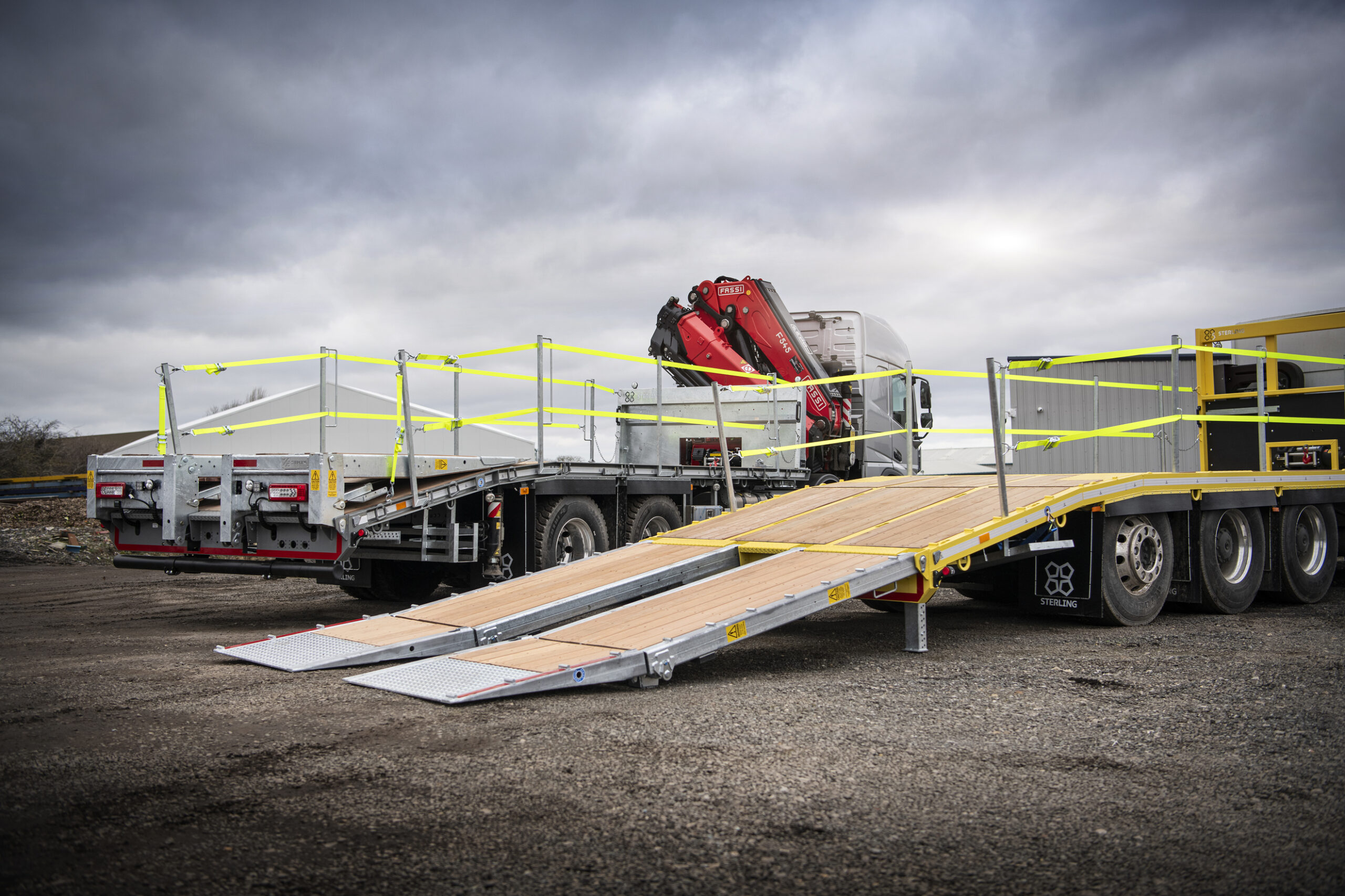
The Versatility Of The Beavertail Flatbed: A Must-Have For Hauling Heavy Equipment

When it comes to transporting heavy equipment and machinery, having the right type of truck bed is crucial. One popular option that has gained recognition for its versatility and practicality is the beavertail flatbed. This type of flatbed is specifically designed to make loading and unloading heavy equipment easier and safer, making it an essential tool for those in the construction, agriculture, and transportation industries.

The beavertail flatbed gets its name from the unique design of the rear section of the bed, which slopes downward towards the ground. This slope, resembling the tail of a beaver, allows for easier loading and unloading of heavy equipment by reducing the angle at which the equipment must be raised or lowered. This feature is especially useful when hauling equipment with low ground clearance, such as forklifts, skid steers, and scissor lifts.

One of the key advantages of a beavertail flatbed is its versatility. Unlike traditional flatbeds, which have a straight and uniform surface, the beavertail flatbed allows for the transportation of a wider range of equipment. This is because the sloped rear section provides additional clearance for equipment with longer wheelbases or lower ground clearance. Additionally, the beavertail can be hydraulically raised or lowered, making it easier to accommodate different types of equipment.

Another benefit of the beavertail flatbed is its safety features. The sloped design helps to prevent equipment from getting stuck or damaged during the loading and unloading process. Additionally, many beavertail flatbeds come equipped with ramps that can be easily deployed to create a smooth incline for equipment to be driven on and off the bed. This eliminates the need for manual lifting and reduces the risk of accidents or injuries.

In addition to its practicality and safety features, the beavertail flatbed offers other advantages as well. Its durable construction, often made of high-strength steel, ensures that it can withstand heavy loads and rough handling. This makes it an ideal choice for transporting heavy equipment over long distances or challenging terrains. Additionally, the beavertail flatbed can be customized with various options, such as toolboxes, winches, and tie-down points, to suit the specific needs of the user.

Overall, the beavertail flatbed is a must-have for anyone in need of a reliable and efficient solution for hauling heavy equipment. Its unique design, versatility, safety features, and durability make it a valuable asset for a wide range of industries. Whether you are a construction contractor, landscaper, farmer, or equipment rental company, investing in a beavertail flatbed can help streamline your operations and increase productivity.

In conclusion, the beavertail flatbed is a practical and efficient solution for transporting heavy equipment and machinery. Its unique design, safety features, versatility, and durability make it an indispensable tool for those in need of a reliable and convenient way to haul heavy loads. Whether you are in the construction, agriculture, or transportation industry, investing in a beavertail flatbed can help you work more efficiently and safely. With its many benefits and advantages, it is clear that the beavertail flatbed is a must-have for anyone in need of a reliable and versatile truck bed solution.

Transforming Your Van: The Ultimate Guide To Van Conversion London

Van conversion has become a popular trend in recent years, as more people are looking for alternative ways to travel and live on the road Whether you want to turn your van into a cozy camper for weekend getaways or a fully-equipped mobile home for long-term adventures, a van conversion can be a fun and rewarding project.

London, with its bustling city life and picturesque countryside, is a popular destination for van conversion enthusiasts The city offers a unique blend of urban convenience and natural beauty, making it an ideal location to start your van conversion journey From trendy cafes and vibrant street art to sprawling parks and historic landmarks, London has something for everyone.

If you’re considering a van conversion in London, here are some tips and tricks to help you get started:

1 Planning your van conversion: Before embarking on your van conversion journey, it’s important to plan out the layout and design of your space Consider how you will be using the van – will it be a simple sleeping quarters or a fully-equipped living space? Make a list of must-have features such as a bed, kitchenette, bathroom, and storage space Don’t forget to take into account the size and shape of your van, as well as any regulations or restrictions in London.

2 Finding the right van: The first step in any van conversion project is to find the right van for your needs Consider factors such as size, make, model, and condition when choosing a van Popular choices for van conversions in London include Ford Transit, Mercedes Sprinter, and Volkswagen Transporter Look for vans with a high roof and long wheelbase for maximum living space.

3 Hiring a professional conversion company: If you’re not confident in your DIY skills or simply don’t have the time to do a van conversion yourself, consider hiring a professional conversion company in London These companies specialize in transforming vans into stylish and functional living spaces, and can help you design and build the van of your dreams van conversion london. From insulation and flooring to plumbing and electrical work, a conversion company can take care of every aspect of your project.

4 Sourcing materials and supplies: Whether you’re doing a DIY van conversion or working with a professional company, you’ll need to source materials and supplies for your project Look for sustainable and eco-friendly options such as reclaimed wood, solar panels, and energy-efficient appliances London has a thriving van conversion community, so don’t be afraid to reach out to local suppliers and fellow van lifers for recommendations.

5 Getting creative with design: One of the best things about van conversion is the opportunity to get creative with design From minimalist and modern to bohemian and eclectic, the possibilities are endless when it comes to styling your van Use Pinterest, Instagram, and design blogs for inspiration, and don’t be afraid to add personal touches such as artwork, textiles, and plants to make your van feel like home.

6 Exploring London and beyond: Once your van conversion is complete, it’s time to hit the road and explore everything London and the surrounding areas have to offer From the bustling markets of Camden Town to the tranquil canals of Little Venice, there is no shortage of things to see and do in the city Take your van on a road trip to the rolling hills of the Cotswolds or the sandy beaches of Cornwall for a true van life adventure.

In conclusion, van conversion in London is a fun and creative way to transform a simple van into a stylish and functional living space Whether you’re a seasoned van lifer or a newbie looking to dip your toes into the van life community, London offers endless possibilities for van conversion enthusiasts With careful planning, the right van, and a bit of creativity, you can turn your van into a home on wheels and embark on the ultimate adventure.

The Importance Of Bullying And Harassment Risk Assessment

Bullying and harassment in the workplace continue to be significant concerns for organizations around the world. These behaviors can have a profoundly negative impact on employees, leading to decreased morale, productivity, and even physical and mental health issues. In order to prevent and address bullying and harassment effectively, organizations must conduct thorough risk assessments to identify potential areas of concern and implement appropriate prevention and intervention strategies.

A bullying and harassment risk assessment is a systematic process that helps organizations evaluate the likelihood and potential impact of bullying and harassment in the workplace. By conducting a risk assessment, organizations can identify specific risk factors that may contribute to these behaviors, such as poor management practices, high workloads, lack of accountability, or a toxic work culture. Additionally, a risk assessment can help organizations understand the potential consequences of bullying and harassment, including legal liabilities, reputational damage, and employee turnover.

There are several key steps involved in conducting a bullying and harassment risk assessment. The first step is to gather information about the organization’s policies, procedures, and practices related to bullying and harassment. This includes reviewing relevant documents such as the organization’s code of conduct, anti-bullying and harassment policies, and employee handbooks. It is also important to collect data on past incidents of bullying and harassment, including the nature of the behavior, the individuals involved, and the outcomes of any investigations or interventions.

The next step is to identify potential risk factors that may contribute to bullying and harassment in the workplace. This can include factors such as high levels of stress, poor communication, lack of diversity and inclusion, or a hierarchical organizational structure. By identifying these risk factors, organizations can take proactive steps to address them and prevent bullying and harassment from occurring.

Once potential risk factors have been identified, organizations must assess the likelihood and potential impact of bullying and harassment in the workplace. This involves evaluating the organizational culture, employee attitudes and behaviors, and the effectiveness of current prevention and intervention strategies. By assessing the likelihood and impact of bullying and harassment, organizations can prioritize their efforts and allocate resources to areas where they are most needed.

After completing a risk assessment, organizations must develop an action plan to address any identified risks and prevent bullying and harassment in the workplace. This may involve implementing new policies and procedures, providing training and education to employees and managers, or improving communication and conflict resolution skills. It is essential for organizations to involve employees at all levels in the development and implementation of the action plan to ensure buy-in and support for these initiatives.

Regular monitoring and evaluation are also critical components of a bullying and harassment risk assessment. Organizations must continue to assess the effectiveness of their prevention and intervention strategies, collect data on incidents of bullying and harassment, and make adjustments as needed. By monitoring and evaluating their efforts, organizations can ensure that they are effectively addressing the risks of bullying and harassment in the workplace and creating a safe and respectful work environment for all employees.

In conclusion, conducting a bullying and harassment risk assessment is an essential step for organizations looking to prevent and address these destructive behaviors in the workplace. By identifying potential risk factors, assessing the likelihood and impact of bullying and harassment, developing an action plan, and monitoring and evaluating their efforts, organizations can create a safe and respectful work environment for all employees. By taking proactive steps to address these risks, organizations can protect the well-being of their employees, improve morale and productivity, and safeguard their reputation.

Ultimate Guide To VW Transporter Rear Seat Conversion

The Volkswagen Transporter has long been a popular choice for those who need a versatile and reliable vehicle Whether you use your Transporter for work or play, you may find that the standard seating configuration just doesn’t quite meet your needs That’s where a rear seat conversion comes in.

Converting your VW Transporter’s rear seating can open up a whole new world of possibilities, from creating additional seating for passengers to providing more space for cargo In this article, we’ll walk you through everything you need to know about VW Transporter rear seat conversions.

Why Convert Your VW Transporter Rear Seats?

There are several reasons why you might choose to convert your VW Transporter’s rear seats Perhaps you need more seating for passengers, especially if you have a large family or frequently transport groups of people Or maybe you need more cargo space for work equipment or outdoor gear Whatever your reasons, a rear seat conversion can help you make the most of your Transporter’s interior space.

Types of Rear Seat Conversions

There are several different types of rear seat conversions available for the VW Transporter The most common are:

1 Bench Seat Conversion: A bench seat conversion adds an extra row of seating in the rear of your Transporter This is great for families or anyone who needs to transport multiple passengers.

2 Folding Seat Conversion: A folding seat conversion allows you to fold down the rear seats to create more cargo space when needed This is ideal for those who need a balance of passenger seating and cargo space.

3 Bed Conversion: For those who use their Transporter for camping or road trips, a bed conversion can turn your rear seats into a comfortable sleeping space.

4 Swivel Seat Conversion: Swivel seats can be a great addition to your Transporter, especially if you want to create a more versatile living space vw transporter rear seat conversion. Swivel seats can turn to face the rear of the vehicle, making it easier to socialize or work while on the road.

Consider your needs and how you plan to use your Transporter before deciding on a rear seat conversion Each type offers different benefits and drawbacks, so it’s important to choose the one that best fits your lifestyle.

Cost of Rear Seat Conversions

The cost of a rear seat conversion for your VW Transporter will depend on several factors, including the type of conversion you choose, the materials used, and whether you install it yourself or hire a professional On average, you can expect to pay anywhere from a few hundred to a few thousand dollars for a rear seat conversion.

If you’re on a budget, consider looking for used rear seat conversions or DIY kits Just be sure to carefully follow the installation instructions to ensure the safety and functionality of your new rear seats.

Installing a Rear Seat Conversion

Installing a rear seat conversion in your VW Transporter can be a DIY project if you have some basic mechanical skills and tools Many rear seat conversions come with detailed instructions that make installation relatively straightforward However, if you’re not comfortable doing the installation yourself, it’s best to hire a professional to ensure the job is done correctly and safely.

Before you begin the installation process, make sure you have all the necessary tools and equipment on hand This may include wrenches, screwdrivers, and a socket set It’s also a good idea to have a friend or family member assist you, especially when dealing with heavy components like seats.

Once your new rear seats are installed, be sure to test them out and make any adjustments as needed Regular maintenance and care will help ensure that your rear seat conversion continues to function properly for years to come.

Conclusion

A rear seat conversion can enhance the functionality and versatility of your VW Transporter, whether you need more seating for passengers or extra cargo space With the wide variety of conversion options available, you’re sure to find one that meets your needs and fits your budget Just be sure to carefully consider your requirements and follow the installation instructions to enjoy your new rear seats safely and comfortably.

So, if you’re ready to transform your VW Transporter with a rear seat conversion, start exploring your options today Whether you choose a bench seat, folding seat, bed, or swivel seat conversion, you’ll be on your way to a more convenient and enjoyable driving experience.

Ultimate Guide To VW Transporter Rear Seat Conversion

The Volkswagen Transporter has long been a popular choice for those who need a versatile and reliable vehicle Whether you use your Transporter for work or play, you may find that the standard seating configuration just doesn’t quite meet your needs That’s where a rear seat conversion comes in.

Converting your VW Transporter’s rear seating can open up a whole new world of possibilities, from creating additional seating for passengers to providing more space for cargo In this article, we’ll walk you through everything you need to know about VW Transporter rear seat conversions.

Why Convert Your VW Transporter Rear Seats?

There are several reasons why you might choose to convert your VW Transporter’s rear seats Perhaps you need more seating for passengers, especially if you have a large family or frequently transport groups of people Or maybe you need more cargo space for work equipment or outdoor gear Whatever your reasons, a rear seat conversion can help you make the most of your Transporter’s interior space.

Types of Rear Seat Conversions

There are several different types of rear seat conversions available for the VW Transporter The most common are:

1 Bench Seat Conversion: A bench seat conversion adds an extra row of seating in the rear of your Transporter This is great for families or anyone who needs to transport multiple passengers.

2 Folding Seat Conversion: A folding seat conversion allows you to fold down the rear seats to create more cargo space when needed This is ideal for those who need a balance of passenger seating and cargo space.

3 Bed Conversion: For those who use their Transporter for camping or road trips, a bed conversion can turn your rear seats into a comfortable sleeping space.

4 Swivel Seat Conversion: Swivel seats can be a great addition to your Transporter, especially if you want to create a more versatile living space vw transporter rear seat conversion. Swivel seats can turn to face the rear of the vehicle, making it easier to socialize or work while on the road.

Consider your needs and how you plan to use your Transporter before deciding on a rear seat conversion Each type offers different benefits and drawbacks, so it’s important to choose the one that best fits your lifestyle.

Cost of Rear Seat Conversions

The cost of a rear seat conversion for your VW Transporter will depend on several factors, including the type of conversion you choose, the materials used, and whether you install it yourself or hire a professional On average, you can expect to pay anywhere from a few hundred to a few thousand dollars for a rear seat conversion.

If you’re on a budget, consider looking for used rear seat conversions or DIY kits Just be sure to carefully follow the installation instructions to ensure the safety and functionality of your new rear seats.

Installing a Rear Seat Conversion

Installing a rear seat conversion in your VW Transporter can be a DIY project if you have some basic mechanical skills and tools Many rear seat conversions come with detailed instructions that make installation relatively straightforward However, if you’re not comfortable doing the installation yourself, it’s best to hire a professional to ensure the job is done correctly and safely.

Before you begin the installation process, make sure you have all the necessary tools and equipment on hand This may include wrenches, screwdrivers, and a socket set It’s also a good idea to have a friend or family member assist you, especially when dealing with heavy components like seats.

Once your new rear seats are installed, be sure to test them out and make any adjustments as needed Regular maintenance and care will help ensure that your rear seat conversion continues to function properly for years to come.

Conclusion

A rear seat conversion can enhance the functionality and versatility of your VW Transporter, whether you need more seating for passengers or extra cargo space With the wide variety of conversion options available, you’re sure to find one that meets your needs and fits your budget Just be sure to carefully consider your requirements and follow the installation instructions to enjoy your new rear seats safely and comfortably.

So, if you’re ready to transform your VW Transporter with a rear seat conversion, start exploring your options today Whether you choose a bench seat, folding seat, bed, or swivel seat conversion, you’ll be on your way to a more convenient and enjoyable driving experience.

Ultimate Guide To VW Transporter Rear Seat Conversion

The Volkswagen Transporter has long been a popular choice for those who need a versatile and reliable vehicle Whether you use your Transporter for work or play, you may find that the standard seating configuration just doesn’t quite meet your needs That’s where a rear seat conversion comes in.

Converting your VW Transporter’s rear seating can open up a whole new world of possibilities, from creating additional seating for passengers to providing more space for cargo In this article, we’ll walk you through everything you need to know about VW Transporter rear seat conversions.

Why Convert Your VW Transporter Rear Seats?

There are several reasons why you might choose to convert your VW Transporter’s rear seats Perhaps you need more seating for passengers, especially if you have a large family or frequently transport groups of people Or maybe you need more cargo space for work equipment or outdoor gear Whatever your reasons, a rear seat conversion can help you make the most of your Transporter’s interior space.

Types of Rear Seat Conversions

There are several different types of rear seat conversions available for the VW Transporter The most common are:

1 Bench Seat Conversion: A bench seat conversion adds an extra row of seating in the rear of your Transporter This is great for families or anyone who needs to transport multiple passengers.

2 Folding Seat Conversion: A folding seat conversion allows you to fold down the rear seats to create more cargo space when needed This is ideal for those who need a balance of passenger seating and cargo space.

3 Bed Conversion: For those who use their Transporter for camping or road trips, a bed conversion can turn your rear seats into a comfortable sleeping space.

4 Swivel Seat Conversion: Swivel seats can be a great addition to your Transporter, especially if you want to create a more versatile living space vw transporter rear seat conversion. Swivel seats can turn to face the rear of the vehicle, making it easier to socialize or work while on the road.

Consider your needs and how you plan to use your Transporter before deciding on a rear seat conversion Each type offers different benefits and drawbacks, so it’s important to choose the one that best fits your lifestyle.

Cost of Rear Seat Conversions

The cost of a rear seat conversion for your VW Transporter will depend on several factors, including the type of conversion you choose, the materials used, and whether you install it yourself or hire a professional On average, you can expect to pay anywhere from a few hundred to a few thousand dollars for a rear seat conversion.

If you’re on a budget, consider looking for used rear seat conversions or DIY kits Just be sure to carefully follow the installation instructions to ensure the safety and functionality of your new rear seats.

Installing a Rear Seat Conversion

Installing a rear seat conversion in your VW Transporter can be a DIY project if you have some basic mechanical skills and tools Many rear seat conversions come with detailed instructions that make installation relatively straightforward However, if you’re not comfortable doing the installation yourself, it’s best to hire a professional to ensure the job is done correctly and safely.

Before you begin the installation process, make sure you have all the necessary tools and equipment on hand This may include wrenches, screwdrivers, and a socket set It’s also a good idea to have a friend or family member assist you, especially when dealing with heavy components like seats.

Once your new rear seats are installed, be sure to test them out and make any adjustments as needed Regular maintenance and care will help ensure that your rear seat conversion continues to function properly for years to come.

Conclusion

A rear seat conversion can enhance the functionality and versatility of your VW Transporter, whether you need more seating for passengers or extra cargo space With the wide variety of conversion options available, you’re sure to find one that meets your needs and fits your budget Just be sure to carefully consider your requirements and follow the installation instructions to enjoy your new rear seats safely and comfortably.

So, if you’re ready to transform your VW Transporter with a rear seat conversion, start exploring your options today Whether you choose a bench seat, folding seat, bed, or swivel seat conversion, you’ll be on your way to a more convenient and enjoyable driving experience.